America’s Next Arsenal: Anduril Wants to Turn Industrial Power Into Strategic Deterrence
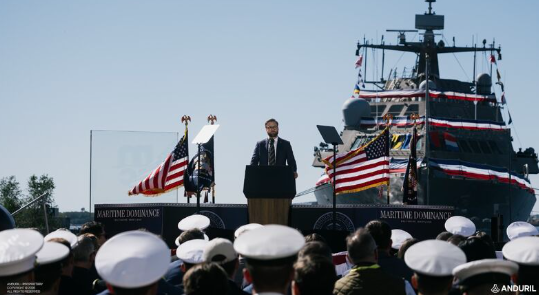
“The United States has rebuilt its industrial strength before. We must do so again.”
With that statement, Anduril co-founder and CEO Brian Schimpf is making an argument that reaches far beyond one company, one factory, or even one generation of defense technology.
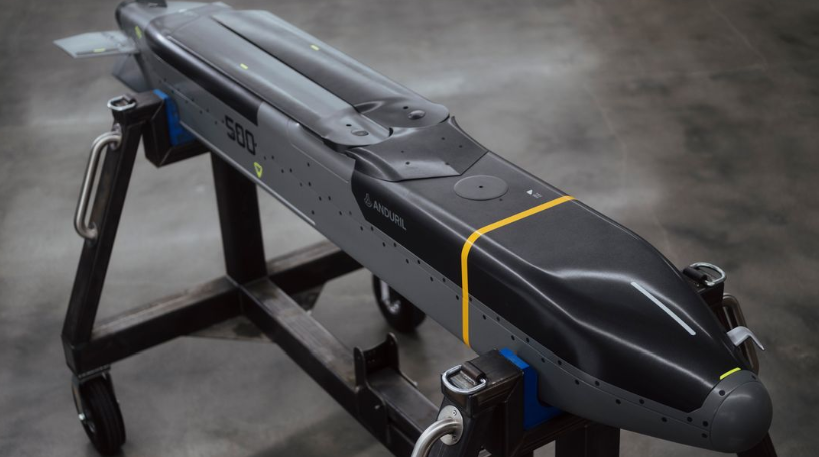
The message behind Arsenal-2 is provocative: America’s military advantage may increasingly depend not only on what it can invent, but on what it can actually manufacture, replace, upgrade and deploy at scale.
For decades, much of the technology conversation has revolved around software. Faster development cycles, artificial intelligence, autonomous systems and digital platforms have transformed industries. Defense is undergoing the same shift.
But software cannot replace physical capacity.
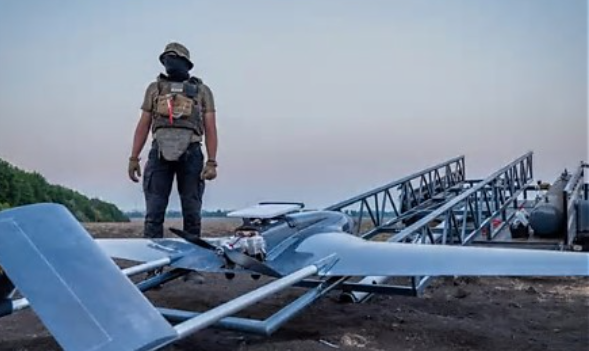
Aircraft still have to be built. Autonomous systems have to leave factories. Components need supply chains. Hardware damaged or consumed in a conflict has to be replaced. New technology has to move from prototype to production quickly enough to matter.
That is where Anduril’s framing becomes interesting.
Arsenal-2 is presented not simply as another manufacturing project, but as a commitment to restoring the industrial capability needed to “refit the fleet for the century ahead.”
The phrase “refit the fleet” matters.
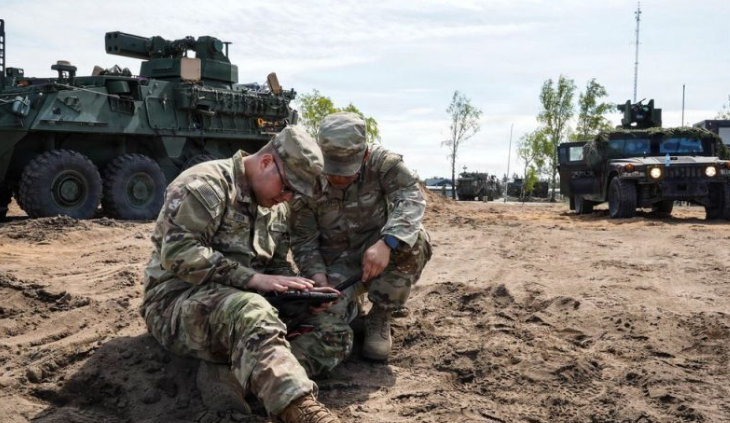
It suggests that future military power will not necessarily come from endlessly replacing entire platforms with newer and more expensive ones. Instead, advantage could increasingly come from the ability to modernize existing forces rapidly: integrating autonomy, sensors, communications, software and new mission systems into hardware already in service.
In that sense, Arsenal-2 represents a broader shift in defense thinking.
The traditional model often treats military hardware as a small number of extraordinarily sophisticated platforms developed over many years. The emerging model puts greater emphasis on speed, modularity, scalability and continuous iteration.
That creates a different kind of industrial challenge.
The question is no longer only:
Can America build the most advanced system?
The question becomes:
Can America build advanced systems fast enough, cheaply enough and in sufficient numbers to sustain a prolonged competition?
Those are very different problems.
A brilliant prototype demonstrates technological capability. A production line demonstrates strategic capability.
Anduril’s argument therefore touches on something much larger than defense technology: the relationship between manufacturing and geopolitical power.
Industrial capacity was historically one of the foundations of American influence. Factories, engineering talent, logistics networks and enormous production capability allowed the United States to turn economic strength into military strength.
Today, advanced manufacturing faces a new environment.
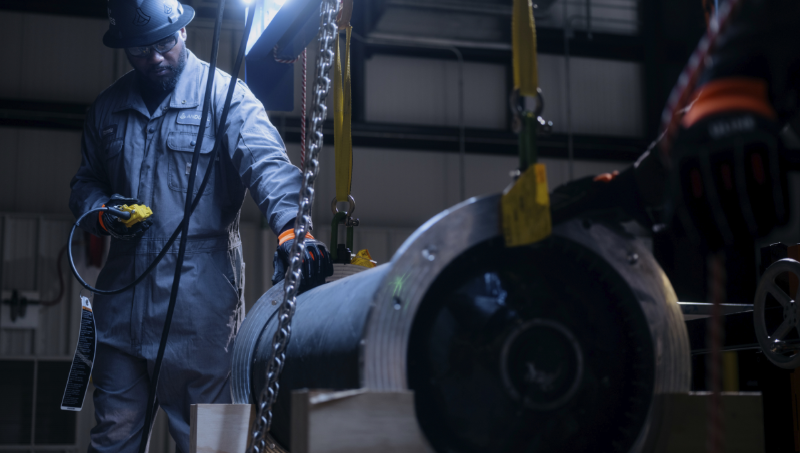
Modern defense production requires robotics, artificial intelligence, sophisticated electronics, secure software, resilient supply chains and highly automated factories. Rebuilding industrial power does not mean recreating the manufacturing system of the 1940s.
It means creating something fundamentally different.
The new arsenal is likely to look less like a traditional assembly line and more like a hybrid between a robotics company, an aerospace factory and a software organization.
That may ultimately be Arsenal-2’s most important idea.
Defense manufacturing itself is becoming a technology platform.
Factories can become programmable. Designs can evolve faster. Production systems can become more flexible. Hardware and software development can move closer together.
If that model works, the competitive advantage is not merely producing one superior weapon.
It is building an industrial system capable of continuously producing the next one.
And that is why Schimpf’s statement deserves attention.
The race for military technological superiority may ultimately be decided somewhere surprisingly familiar:
on the factory floor.