Zipline’s $7.6B Bet - Why Investors Think Autonomous Delivery Is Finally Ready to Scale

For years, autonomous delivery has lived in the uncomfortable space between promise and pilot—endless demos, limited deployments, and big claims about the “last mile.” With Zipline’s latest funding round, that era may finally be ending.
The U.S.-based drone logistics company has raised an additional $200 million, extending its Series H to $800 million and pushing its valuation to $7.6 billion. The round was led by Fidelity, with participation from Baillie Gifford, Valor Equity Partners, Tiger Global, and Paradigm—names not known for chasing speculative hardware plays.
This is capital chasing scale.
Zipline plans to use the funding to expand operations across the United States, launching services in at least four states this year, with cities like Houston, Phoenix, and Seattle already in sight. The company says usage is accelerating: customers are placing multiple orders per day, and average order sizes are increasing. In response, Zipline is expanding its marketplace, onboarding more brands and products.
In other words, demand is no longer theoretical.
From blood bags to burritos
Founded in 2014 by Keller Rinaudo Cliffton, Zipline built its reputation far from Silicon Valley hype cycles—flying blood and medical supplies to remote hospitals in Rwanda. That focus on reliability over novelty shaped the company’s DNA.
While many drone startups chased urban consumer delivery early—and failed—Zipline logged millions of autonomous miles in environments where failure wasn’t an option. That operational maturity is now paying dividends as the company expands into food, retail, and everyday logistics.
Today, Zipline operates across the United States, Africa, and Japan, serving thousands of hospitals and distribution points. It has quietly become one of the most experienced autonomous delivery operators on the planet.
Two platforms, two strategies
Zipline’s current operations rest on two distinct drone systems.
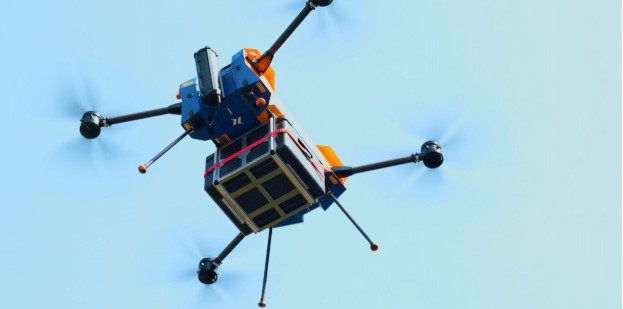
Platform 2 (P2) is designed for short‑range, on‑demand delivery. These drones carry packages of up to eight pounds within a 10‑mile radius, targeting residential customers. The service is already live in parts of Arkansas and the Dallas–Fort Worth area through partnerships with Walmart and restaurant chains.
This is Zipline’s bid for suburban and urban relevance—the space where traditional delivery vehicles struggle with cost, congestion, and labor.
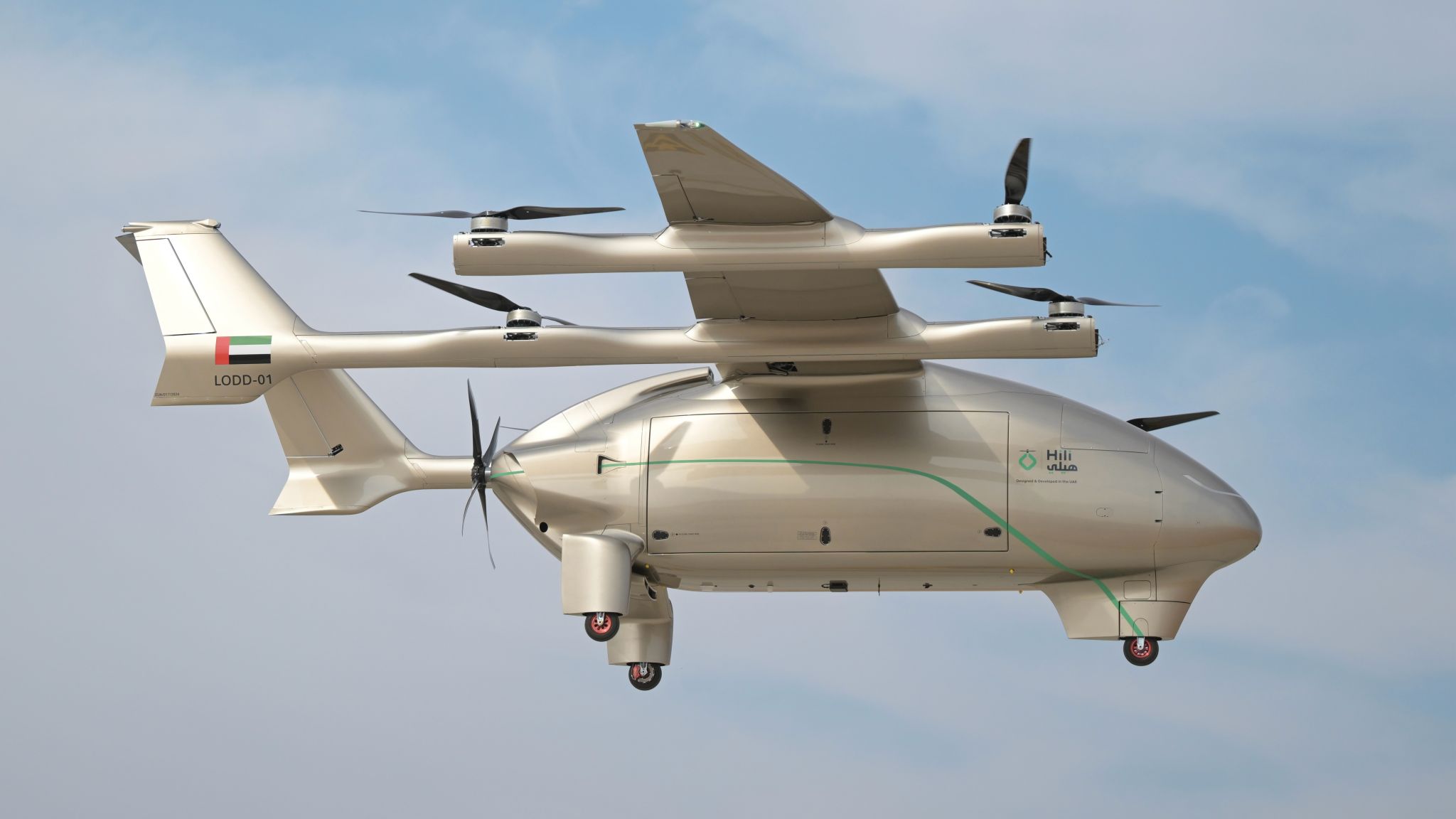
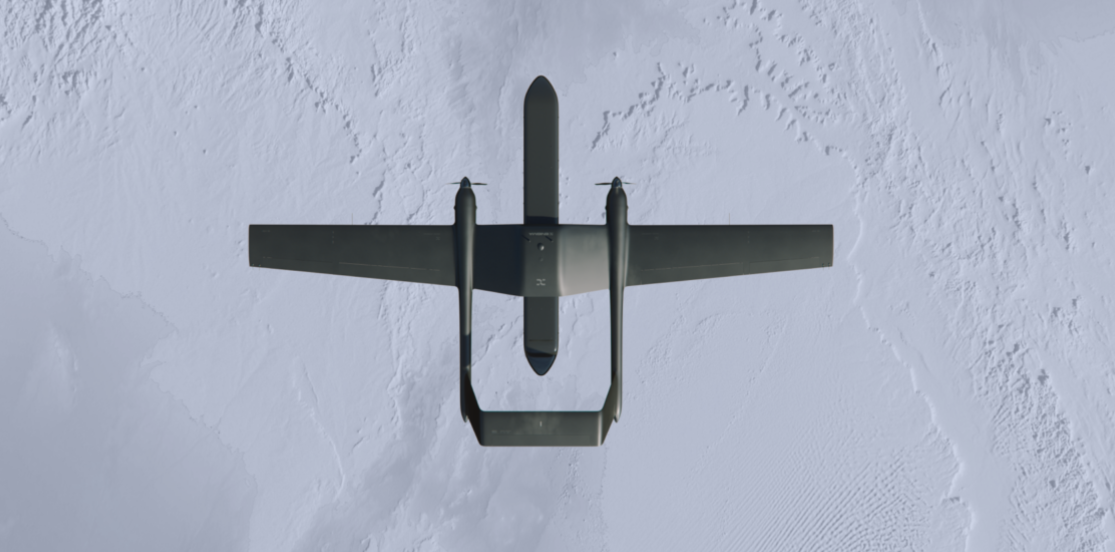
Platform 1 (P1), by contrast, is built for distance and resilience. Capable of flying 120 miles round‑trip, P1 serves governments, healthcare providers, and enterprises moving critical goods across difficult terrain.
Together, the platforms allow Zipline to straddle two worlds: high‑volume consumer convenience and mission‑critical logistics.
Why this round matters
A $7.6 billion valuation doesn’t just reflect confidence in Zipline—it signals a broader shift in how investors view autonomous systems.
For years, drones were framed as a “future of delivery” story. This round reframes them as infrastructure.
Zipline isn’t selling novelty or speed alone. It’s selling reliability, frequency, and unit economics that improve with scale. Customers aren’t ordering once to try it—they’re ordering multiple times per day. That behavioral signal matters more than any demo video.
It also helps that Zipline operates in regulatory environments it helped shape, building trust with aviation authorities long before mass deployment became fashionable.
The quiet replacement of the delivery van
Zipline’s long‑term ambition is clear: replace vehicle‑based delivery for a meaningful share of short‑range logistics. Not everywhere. Not overnight. But where it makes economic and operational sense.
As labor costs rise, cities densify, and expectations for speed harden, autonomous aerial delivery starts to look less like a moonshot—and more like the next layer of logistics infrastructure.
With $800 million in fresh capital and blue‑chip investors backing the bet, Zipline isn’t asking whether autonomous delivery will scale.
It’s betting that it already is.