The New Defence Lab Is the Front Line: STARK Moves to Lithuania as Germany Digs In on NATO’s Eastern Flank
Europe’s defence industry is discovering a new rule: if your engineers are too far from the soldiers, your technology may already be too late.
German defence-tech company STARK is opening a location in Lithuania, putting its engineers and employees with military backgrounds closer to German, Lithuanian and other Baltic forces stationed on NATO’s eastern flank. The company says the site will support training, direct collaboration and faster incorporation of operational feedback into its systems. STARK Opens a Facility in Lithuania
On paper, it is another European defence company opening another office.
Strategically, it is something more interesting.
STARK is following the Bundeswehr east.
Germany is permanently stationing Brigade 45 in Lithuania, and STARK says its Virtus system is intended to equip the formation. The company wants its new Lithuanian operation to serve as a direct interface with the Bundeswehr as well as Lithuanian and other Baltic armed forces.
That proximity could matter enormously.
The war in Ukraine has challenged the traditional defence-development model in which requirements are written, platforms are designed, procurement processes unfold and users receive systems years later. Drone warfare has demonstrated just how quickly technology, countermeasures and tactics can evolve.
STARK’s answer is brutally simple:
Put the developers closer to the users.
Founder and CEO Uwe Horstmann says one of the lessons STARK has drawn from Ukraine is that modern defence technology cannot be developed for years in isolation from the people using it. The Lithuanian presence is intended to shorten that loop, allowing engineers to support training and adapt systems to changing operational requirements. STARK stärkt Präsenz an Nato-Ostflanke mit Litauen-Standort
That philosophy matters particularly for unmanned systems.
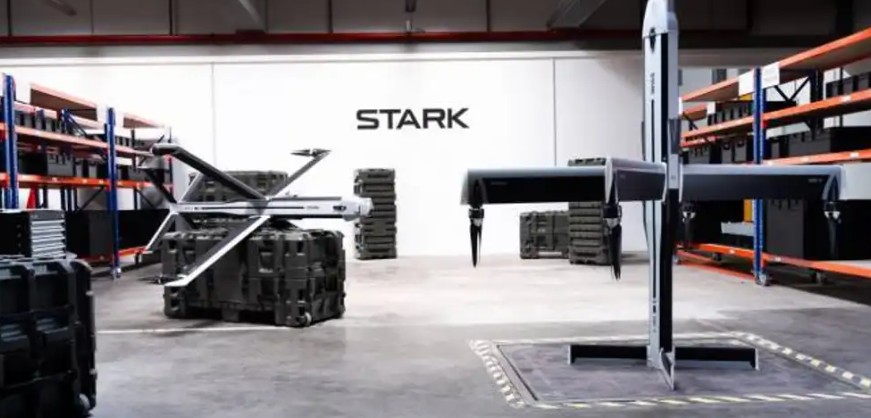
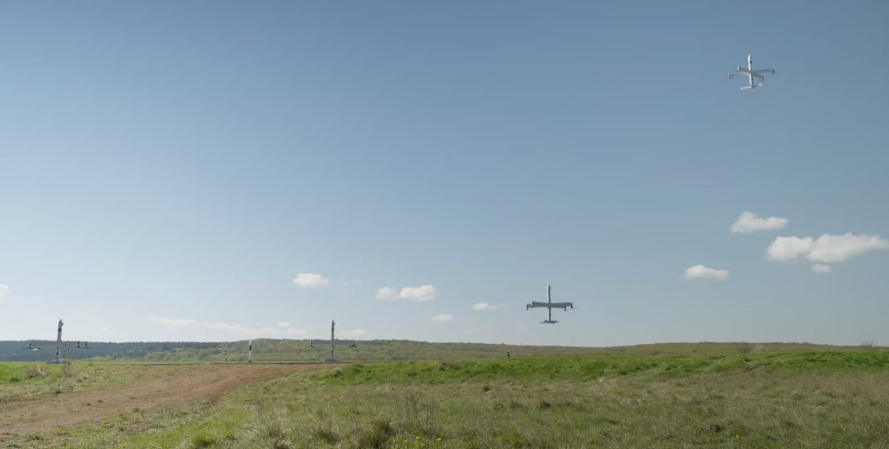
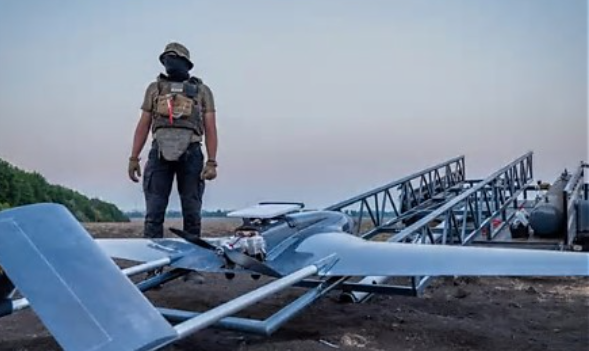
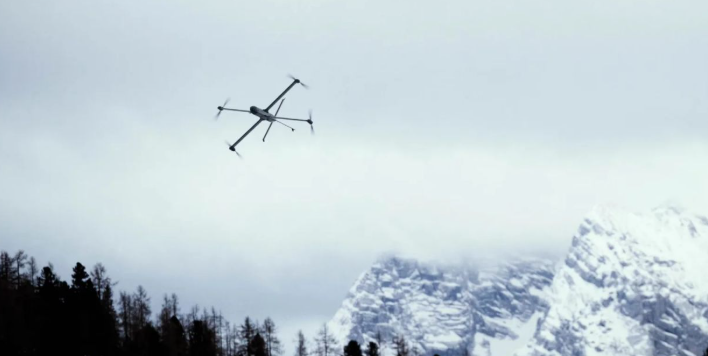
STARK’s Virtus is a loitering-munition system. The company says it has a range greater than 130 kilometres, endurance of up to 90 minutes and vertical take-off and landing capability. STARK signed a framework agreement with the German Armed Forces in February 2026 after the German Bundestag’s Budget Committee approved the procurement.
Reporting in Germany says Brigade 45 in Lithuania is expected to receive Virtus, connecting STARK’s new local presence directly with an emerging Bundeswehr capability.
The message extends beyond one company or one drone.
Europe spent decades optimising defence procurement for stability. Ukraine has demonstrated the value of something very different: iteration speed.
A drone system can encounter electronic warfare, new battlefield tactics or unexpected operating conditions. The useful question is no longer simply whether the product passed qualification.
It is: how quickly can the manufacturer learn what happened and change the system?
That makes Lithuania increasingly interesting not merely as NATO territory to defend, but as a location where Europe’s new defence ecosystem could develop.
German troops are there. Baltic forces are there. Training and deterrence are happening there. Now defence engineers are moving closer too.
The Lithuanian office therefore represents a subtle but important change in how European defence companies think about geography.
In the old model, the factory was the centre and the soldier was the customer.
In the emerging model, the soldier becomes part of the development loop.
STARK is betting that shorter distances between engineers, military operators and operational feedback will produce better systems faster. Whether that model delivers at scale remains to be proven.
But the direction is difficult to miss.
Europe’s eastern flank is becoming more than a line to defend.
It is becoming a laboratory for how Europe intends to fight, learn and rearm.