No Ceasefire Is Coming: Why Ukraine’s Hardest Battle May Be Against Illusion

History rarely collapses because nations run out of weapons.
More often, it collapses because societies run out of clarity.
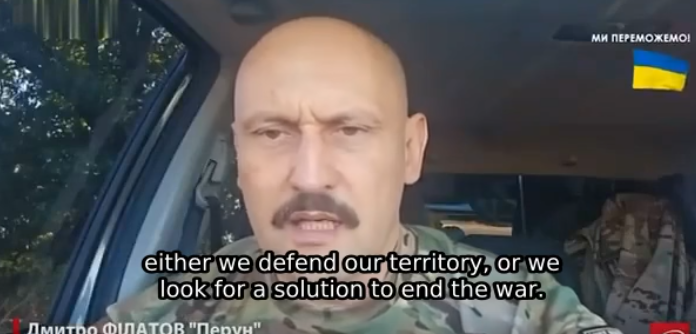
That is the uncomfortable message emerging from a growing debate inside Ukraine as the war enters another brutal phase. While politicians, commentators, and social media prophets increasingly speculate about negotiations, ceasefires, and possible pathways to peace, military realities continue to point in a different direction.
The battlefield is not behaving like a war that is winding down.
It is behaving like a war that is evolving.
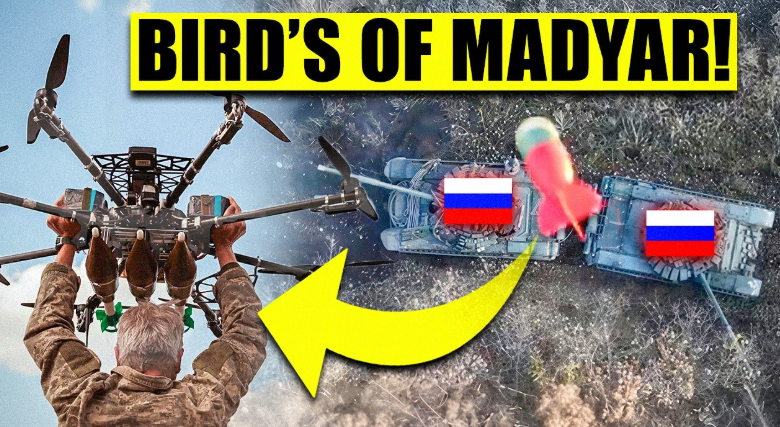
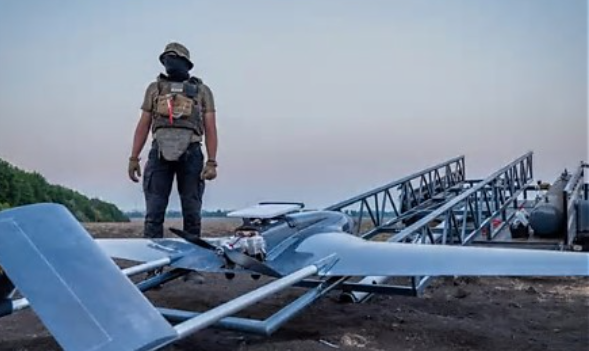
Across Ukraine, expectations of a quick settlement repeatedly collide with evidence of continuing escalation. Russian forces continue investing resources, adjusting tactics, expanding drone operations, and searching for opportunities to increase pressure on Ukrainian military and civilian infrastructure. Meanwhile, both sides are racing to deploy new technologies capable of shifting the balance in the air, on the ground, and deep behind the front lines.
That contrast creates a dangerous gap.
The gap between what people want to believe and what the conflict actually demonstrates.
Every nation at war develops its own mythology. Citizens understandably search for signs that suffering may soon end. Economic hardship, constant uncertainty, fatigue, casualties, and psychological strain create powerful incentives to embrace optimistic narratives.
But war is notoriously indifferent to optimism.
Military outcomes are determined by capacity, resources, adaptation, leadership, industrial output, training, logistics, and political will. Hope can inspire people to endure hardship, but hope alone cannot stop a drone, repair a power station, replenish an ammunition stockpile, or fortify a defensive position.
This is why strategic patience is becoming one of Ukraine's most important national resources.
The conflict increasingly resembles a contest of endurance rather than maneuver. Neither side has achieved the decisive breakthrough that many observers predicted. Instead, the war has become a constant race to adapt faster than the opponent.
That adaptation is visible everywhere.
Electronic warfare systems evolve.
Drone designs change.
Counter-drone networks improve.
Interceptor programs expand.
Manufacturing capacity grows.
Operational doctrines are rewritten.
What appears impossible today often becomes commonplace six months later.
This reality matters because technological adaptation can create periods of temporary advantage. Military analysts frequently describe these moments as "windows of opportunity." One side discovers an effective capability, exploits it, and gains an advantage until the opponent develops a countermeasure.
The history of this war is largely a succession of such windows.
Artillery advantages.
FPV drone advantages.
Electronic warfare advantages.
Reconnaissance advantages.
Counter-drone advantages.
None have remained permanent.
Every innovation eventually encounters resistance.
Every advantage eventually faces a response.
That cycle suggests a critical lesson for policymakers and citizens alike: temporary vulnerability should not automatically be mistaken for strategic defeat, just as temporary success should not automatically be confused with victory.
The challenge is maintaining perspective during periods of pressure.
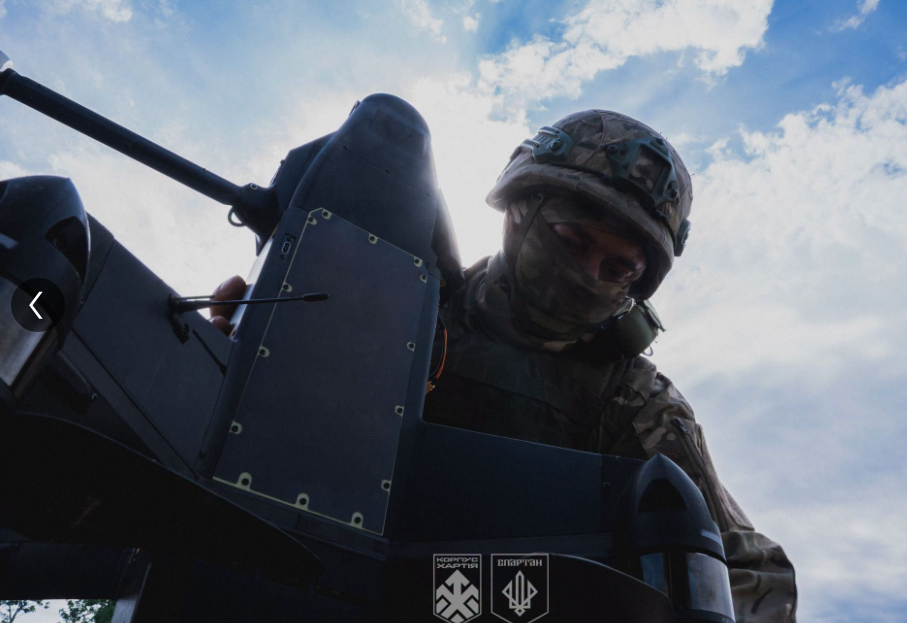
For Ukraine, this means accepting that resilience is neither glamorous nor dramatic. It involves countless practical tasks: increasing military production, strengthening air defenses, training personnel, protecting infrastructure, improving logistics, and sustaining public morale.
None generate sensational headlines.
All determine outcomes.
The rear, often overshadowed by events at the front, becomes a strategic asset in this environment. Modern wars are not won exclusively in trenches or command centers. They are won through the ability of entire societies to continue functioning under sustained pressure.
Factories.
Energy networks.
Transportation systems.
Training institutions.
Technology companies.
Civil administration.
All become part of national defense.
This is why discussions about victory and peace often miss the central question.
Not when the war will end.
But how a nation ensures it remains capable of enduring until conditions emerge that make a favorable outcome possible.
The answer is unlikely to come from wishful thinking.
It will come from preparation.
History's harshest lesson is that survival belongs not to those who predict the future most confidently, but to those who prepare for the hardest one.
And in modern warfare, realism is often the most powerful weapon a nation possesses.