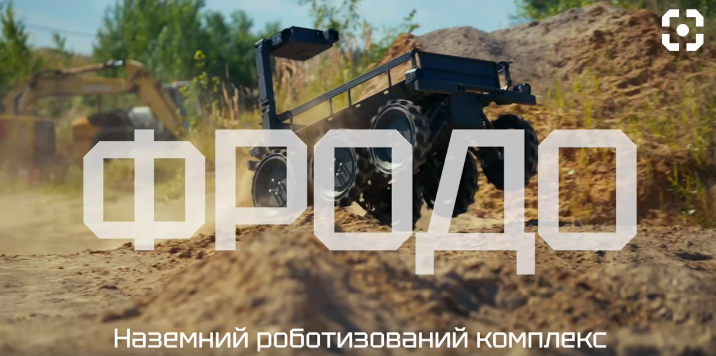
Meet Frodo UGV from Frontline Robotics: The Robot Mule That Signals the End of the Human Supply Run
The most important military robot unveiled this year isn't flying.
It's driving.
While the world's attention remains fixed on drones dominating the skies above Ukraine, a quieter revolution is unfolding on the ground. And its latest symbol is a six-wheeled unmanned ground vehicle with an unexpectedly friendly name: Frodo.
Don't let the name fool you.
This machine was not built for adventure. It was built for survival.
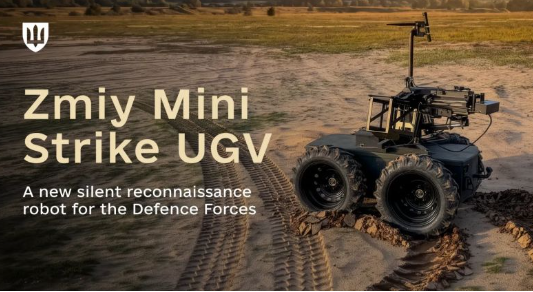
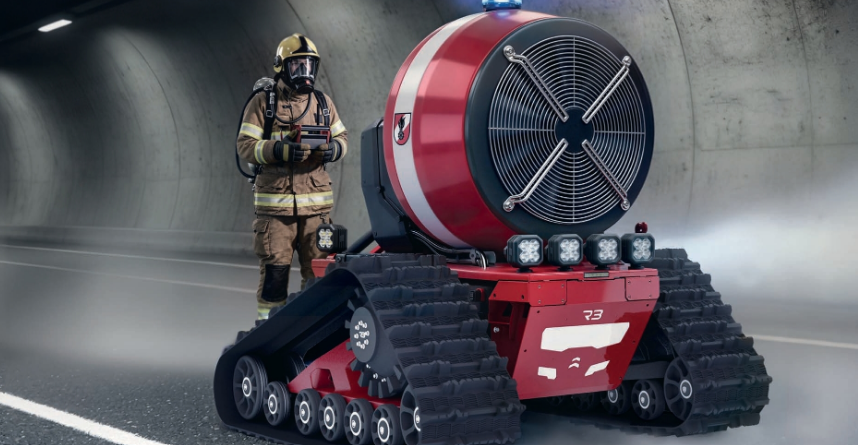
Developed by Frontline Robotics, the new UGV Frodo represents the next phase of battlefield automation, where robots not only see and strike but also carry, rescue, supply, and fight.
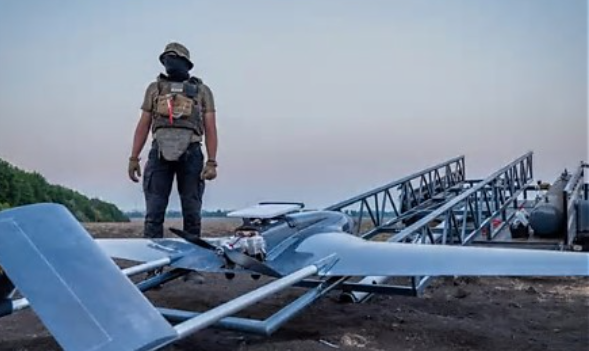
In many ways, Frodo may be more disruptive than the aerial drones that have already transformed modern warfare.
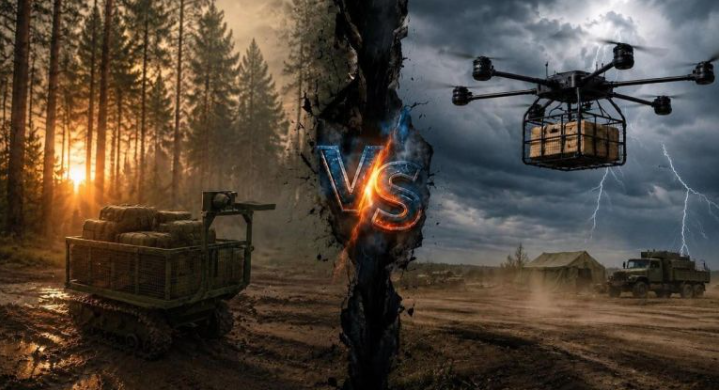
Because while drones changed how armies attack, ground robots could change how armies exist.
Think about the most dangerous jobs on any battlefield.
Delivering ammunition under artillery fire.
Transporting equipment through drone-infested zones.
Evacuating wounded soldiers from exposed positions.
Moving supplies across terrain constantly monitored by enemy surveillance.
Historically, these missions required people.
And people died performing them.
Frodo was designed to change that equation.
The platform can reportedly reach speeds of up to 40 km/h, travel up to 150 kilometers, and carry up to 400 kilograms of payload. That payload can include ammunition, military equipment, logistics cargo, or wounded personnel requiring evacuation.
The specifications are impressive.
The implications are even bigger.
Military planners have long dreamed of removing humans from the most predictable danger zones. For decades the technology simply wasn't ready.
Now it is.
Frodo's rugged 6×6 chassis and ability to continue operating even after losing a wheel reveal something important about its purpose. This is not a demonstration vehicle designed for exhibitions and defense expos.
This is a machine designed to survive the battlefield.
That distinction matters.
The most significant innovation often isn't the robot that destroys the enemy.
It's the robot that keeps friendly forces alive.
For years, military technology has focused on increasing lethality. More range. More precision. More firepower.
The next revolution may focus on endurance.
How quickly can units be supplied?
How efficiently can casualties be evacuated?
How long can forces remain operational under constant surveillance?
Those questions increasingly determine military effectiveness.
And this is where Frodo enters the picture.
According to Frontline Robotics, the platform has already completed operational missions after being developed and refined with direct battlefield feedback from Ukraine's 5th Separate Assault Brigade.
That battlefield-first development model has become one of Ukraine's greatest advantages.
Instead of years of procurement bureaucracy, systems are tested under real combat conditions, modified, and redeployed at remarkable speed.
The result is innovation measured in weeks rather than decades.
But Frodo's arrival points to something even larger.
The company describes a future where aerial drones, ground robots, remote weapon stations, reconnaissance systems, and autonomous platforms operate as one integrated ecosystem.
This is the real story.
Not individual robots.
Robot teams.
Imagine an operation where aerial drones identify a target, a ground robot delivers ammunition, another evacuates casualties, and autonomous weapon systems provide support, all connected through a unified network.
Human operators remain in command.
Machines assume the risk.
The battlefield becomes a coordinated robotic ecosystem rather than a collection of individual platforms.
What sounds futuristic is increasingly becoming reality.
Military history is filled with moments when one technology quietly changed everything.
The machine gun.
The tank.
The helicopter.
The drone.
Ground robotics may be next.
Frodo itself is not the revolution.
Frodo is the evidence that the revolution has already begun.
And when historians look back at this decade, they may find that the age of robotic warfare didn't start in the sky.
It started when armies stopped asking how robots could kill for them and started asking how robots could keep their soldiers alive.