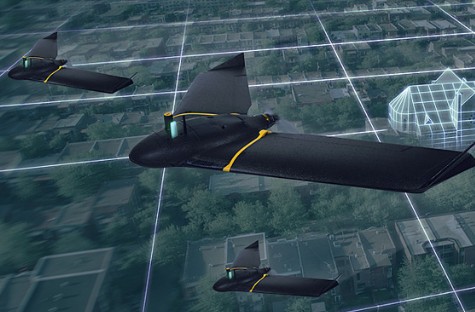
EagleNXT eBee Vision in Australia and Israel with Aerodrome and Royal Australian Air Force

In a defense landscape increasingly defined by autonomy, precision, and speed, quiet moves often matter more than loud announcements. EagleNXT’s strategic investment in Israeli firm Aerodrome may not have come with disclosed figures or dramatic headlines—but make no mistake, it is a calculated step into the future of warfare.
The U.S.-based defense technology company, known for its work across drones, sensors, and software, has taken a stake in Aerodrome, a specialist in autonomous defense systems and precision loitering munitions. The deal also includes an option to establish a U.S.-based joint venture, pending regulatory approval and final agreement. Financial terms were not disclosed, a common practice in early‑stage or strategically sensitive defense investments. [eaglenxt.com], [thedefensepost.com]
At first glance, this looks like another cross‑border technology partnership. In reality, it reflects a deeper shift underway in global defense thinking.
Loitering munitions—sometimes described as the fusion of drones and precision strike weapons—have moved from niche capability to operational necessity. Modern conflicts have underscored the value of systems that can loiter, identify, discriminate, and strike targets with minimal human intervention. Autonomy is no longer experimental; it is becoming foundational.
Aerodrome operates precisely at that intersection: autonomy, target discrimination, and precision engagement. By investing in the company, EagleNXT is not merely adding another product line—it is expanding its role in shaping how autonomous systems are integrated into modern defense architectures.
What makes this move particularly notable is its timing. Defense forces worldwide are accelerating investments in unmanned and semi‑autonomous capabilities, while simultaneously navigating regulatory, ethical, and interoperability challenges. EagleNXT’s approach—pairing platform expertise with specialist autonomy technologies—suggests a strategy focused on integration rather than isolated innovation.
The potential U.S.-based joint venture is another signal worth watching. Should it materialize, it would create a pathway for Aerodrome’s technologies to align with U.S. procurement frameworks and allied defense ecosystems. This is not just about market access; it is about operational compatibility in coalition environments.
Beyond the U.S. and Israel, the implications extend further. Regions such as Australia and the broader APAC market are increasingly focused on resilient, scalable, and autonomous defense solutions. Geographic distance, vast maritime domains, and evolving threat environments make autonomy not a luxury, but a strategic requirement.
EagleNXT’s investment positions the company to engage these markets with capabilities shaped by real‑world operational demands, not laboratory concepts. For defense planners and industry observers in APAC, this is a development worth tracking closely.
Notably, EagleNXT has framed the investment as part of its broader mission to expand advanced uncrewed systems while fostering international collaboration. In an era where defense innovation is increasingly global—but regulation remains national—such partnerships may become the norm rather than the exception.
This deal will not redefine defense overnight. But history shows that today’s quiet investments often become tomorrow’s standard capabilities. EagleNXT’s move into autonomous loitering munitions, via Aerodrome, suggests a clear thesis: the future of defense belongs to systems that think, decide, and act faster than ever before.
And the race to build them is already well underway.