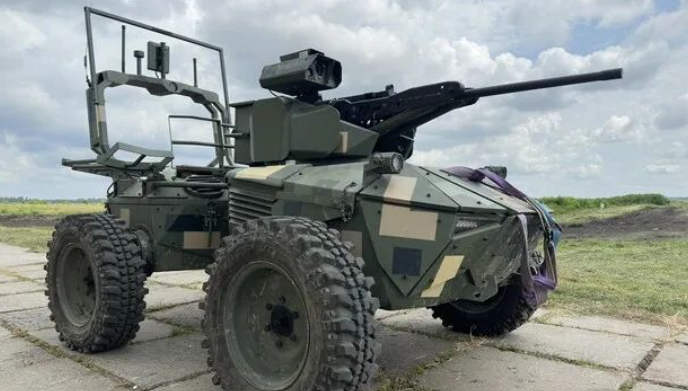
African Land Forces Summit 2026 in Rome on 22-24 March 2026

The African Land Forces Summit 2026 (ALFS26) marks a pivotal moment in the evolution of security thinking across Africa and its international partners. Far from being a routine military gathering, the summit reflects a broader transformation in how modern threats are understood—and how they must be addressed.
Under the theme “Empowering Shared Security through Intelligence, Innovation, and Industry,” ALFS26 signals a decisive move away from conventional, force-centric approaches toward a more integrated and adaptive model of security. This model recognizes that today’s challenges are complex, interconnected, and increasingly hybrid in nature.
From Traditional Threats to Hybrid Realities
Security concerns in Africa have long included border instability, insurgencies, and organized crime. These issues remain critical, as highlighted in discussions on synchronizing border security across the continent. However, the context in which these threats operate has changed dramatically.
Modern security challenges are no longer confined to physical territories. They extend into the digital domain, where disinformation campaigns can undermine trust, disrupt operations, and influence public perception without a single shot being fired. As explored in the summit’s plenary sessions, these information-based threats are often externally influenced and require new forms of response.
This evolving landscape demands a shift in mindset—from reactive defense to proactive resilience.
Intelligence as the New Foundation
At the core of this transformation is intelligence. Not just in the traditional sense of reconnaissance and surveillance, but as a broader capability encompassing data analysis, information management, and situational awareness.
Effective responses to disinformation, for example, depend on the ability to detect, analyze, and counter false narratives in real time. Similarly, managing border security in a dynamic environment requires integrated intelligence systems that can coordinate across regions and agencies.
ALFS26 underscores that intelligence is no longer a supporting function—it is a central pillar of security strategy.
Innovation Beyond the Military Sphere
One of the most notable aspects of this year’s summit is its emphasis on innovation and industry. The recognition that solutions may come from outside traditional defense sectors represents a significant shift in approach.
Emerging technologies—ranging from artificial intelligence to advanced communication systems—are increasingly seen as essential tools for addressing contemporary threats. Importantly, many of these technologies originate in the civilian sector and are adapted for security applications.
This convergence of civilian and military innovation creates new opportunities for faster deployment, greater scalability, and more cost-effective solutions. It also encourages collaboration between governments, private industry, and research institutions.
Strengthening Cooperation and Interoperability
Another key theme of ALFS26 is the importance of cooperation. Theater Security Cooperation (TSC), led by SETAF-AF, exemplifies this approach by focusing on building relationships, enhancing capabilities, and ensuring interoperability among partner nations.
Through joint training exercises, knowledge sharing, and coordinated initiatives, TSC helps create a unified framework for addressing shared challenges. This collaborative model is essential in a context where threats often transcend national borders.
Civil Affairs efforts further reinforce this strategy by engaging directly with local communities. By supporting infrastructure development and humanitarian initiatives, these teams contribute to long-term stability and resilience.
Education and the Future of Operations
Professional military education also plays a crucial role in shaping the future of security operations. As highlighted in the summit, establishing common standards, terminology, and operational frameworks is vital for effective collaboration.
Education not only enhances technical skills but also fosters a shared understanding among diverse forces. This alignment is critical for coordinated responses in complex, multinational environments.
A New Security Paradigm
What emerges from ALFS26 is a clear message: the nature of security is changing. It is no longer defined solely by military strength, but by the ability to integrate intelligence, innovation, and cooperation into a cohesive strategy.
This new paradigm requires flexibility, openness to new ideas, and a willingness to engage with non-traditional partners. It challenges established structures while offering the potential for more resilient and effective solutions.
Conclusion
ALFS26 represents more than a conference—it is a reflection of a broader shift in global security thinking. As threats become more complex and interconnected, the responses must evolve accordingly.
By embracing intelligence, fostering innovation, and strengthening partnerships, the summit points toward a future where security is not just maintained, but actively built through collaboration and adaptability.