A $30,000 Match and a Telegram Message: The New Front Line of Industrial Warfare
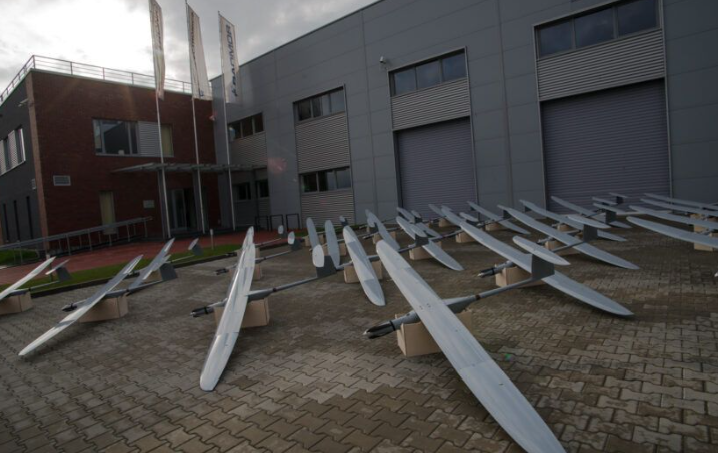
The image of industrial espionage and sabotage is often outdated.
People imagine covert agents crossing borders, dead drops in dark alleyways, and elaborate intelligence operations worthy of a Cold War thriller. But a recent investigation suggests that the reality of modern sabotage may be far more unsettling.
A Telegram message.
A cash offer.
And a factory gate.
According to reporting by Vot Tak, a journalist posing as a Belarusian resident living in Poland responded to an online recruitment advertisement promising lucrative work opportunities. What appeared at first to be a simple offer quickly evolved into something far more serious: proposals to commit arson against targets linked to Ukraine and its defense supply chain.
The reported progression is revealing.
Initially, the recruiter, identified by the alias "Joker," allegedly offered approximately $1,000 for setting fire to a vehicle carrying Ukrainian license plates. The conversation reportedly escalated further when the target became Flytronic, a drone manufacturer belonging to WB Group in Gliwice, Poland, a company associated with the production of unmanned systems supplied to Ukraine.
The price increased dramatically.
For an attack against the drone-production facility, the recruiter allegedly offered between $20,000 and $30,000.
Whether the offer would ever have resulted in an actual attack remains unknown. The investigation documents a recruitment effort and the sharing of reconnaissance material, including footage of the facility's surroundings reportedly recorded by another individual. It does not establish who ultimately directed the operation, nor does it document any successful sabotage resulting from the reported exchange.
Yet the incident matters enormously.
Because it highlights how the rules of conflict are changing.
The modern defense industry is increasingly becoming part of the battlefield.
For decades, military planners focused on protecting troops, weapons, and infrastructure located near active combat zones. Today, however, the industrial ecosystem supporting military operations can become a target regardless of geography. A drone factory hundreds of kilometers from the front may attract the same hostile attention as a military logistics hub.
The difference is that the attack vector has evolved.
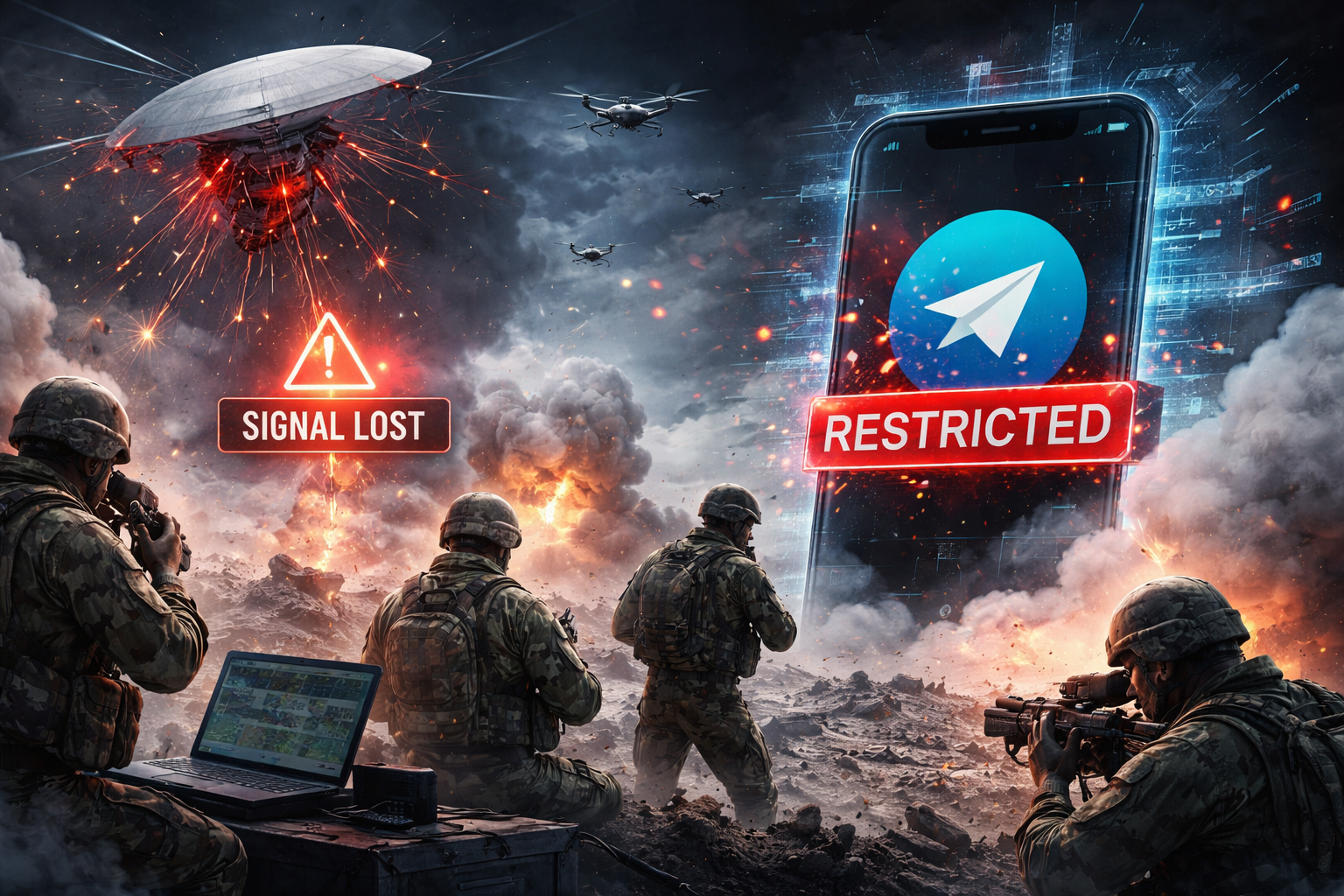
Instead of dispatching trained operatives across borders, adversaries can exploit social media platforms, encrypted messaging applications, and online communities to search for willing participants. The barriers to recruitment have never been lower.
A smartphone can function as a reconnaissance tool.
A messaging account can function as a recruitment network.
A financial transfer can function as operational funding.
What once required a sophisticated intelligence infrastructure can now be attempted through widely available digital platforms.
That creates a difficult challenge for defense manufacturers.
Companies frequently invest heavily in physical security measures. They install cameras, perimeter fencing, access-control systems, cybersecurity tools, and monitoring technology. Those protections remain necessary, but they may no longer be sufficient.
The human factor has become equally important.
An industrial site can be photographed without triggering alarms. Employees, contractors, suppliers, or members of the public may unknowingly encounter suspicious requests online. Seemingly harmless requests for photographs, facility locations, shift schedules, or access information can become components of a much larger intelligence picture.
This reality is forcing defense manufacturers to rethink security itself.
The objective is no longer merely preventing intruders from entering a facility.
The objective is protecting the entire operational ecosystem surrounding production.
That means creating reporting mechanisms for suspicious approaches, strengthening cooperation with law-enforcement and counterintelligence authorities, training personnel to recognize recruitment attempts, and ensuring that business continuity plans exist if disruptions occur.
Security is no longer an administrative function operating separately from production.
Security has become production.
A factory that cannot continue operating under pressure cannot reliably support military customers.
A supply chain vulnerable to sabotage cannot guarantee strategic output.
A workforce unprepared to identify manipulation becomes an operational risk.
The alleged recruitment targeting Flytronic illustrates a broader trend likely to grow in significance as defense production expands across Europe. As governments invest billions into ammunition, drones, air-defense systems, and military technology, factories themselves become strategic assets.
And strategic assets attract attention.
The future of industrial conflict may not begin with explosions.
It may begin with an anonymous message offering easy money.
The battlefield, increasingly, starts online.